The History of Gothic Culture in Britain: From Literature to Modern Times
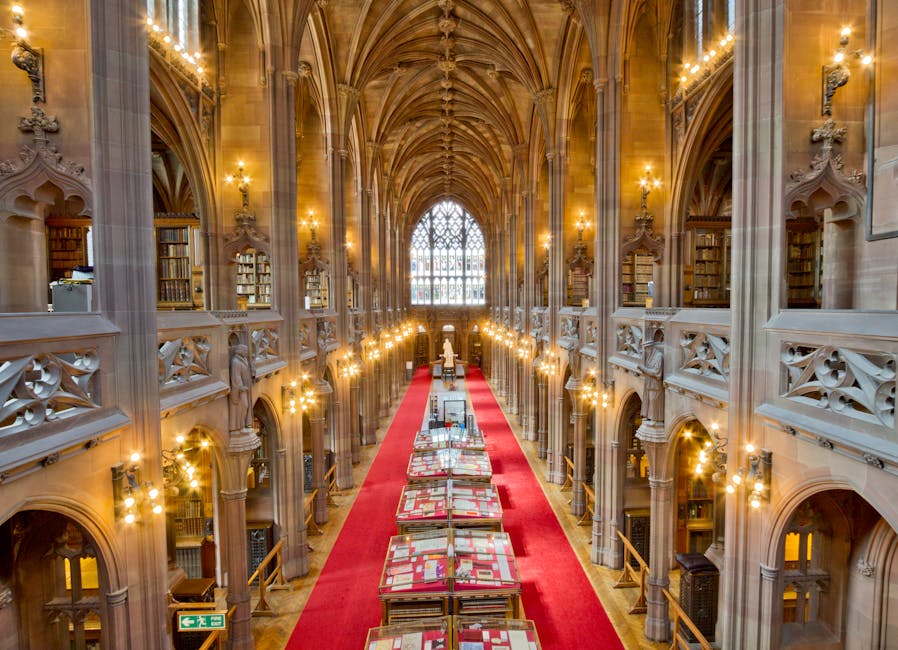
Gothic culture has deep roots in British history, emerging from literature and architecture before evolving into a distinctive cultural movement that continues to influence British society today.
The Gothic literary movement began in the late 18th century with works like Horace Walpole's "The Castle of Otranto" (1764). These stories emphasised atmosphere, mystery, and the supernatural, creating a counterpoint to the rational ideals of the Enlightenment. Authors like Mary Shelley and the Brontë sisters built upon this foundation, creating enduring works that explored darkness, passion, and human complexity.
Victorian Gothic
The Victorian era saw Gothic themes flourish in popular literature. Works like "Dracula" by Bram Stoker and "The Picture of Dorian Gray" by Oscar Wilde became cultural phenomena. These weren't just entertainment—they explored anxieties about modernity, sexuality, and morality that Victorian society was grappling with.
Interestingly, Victorian Gothic architecture also reflected this cultural moment. The revival of Gothic architectural styles in churches, universities, and public buildings wasn't merely aesthetic—it represented a romanticisation of medieval times and a rejection of industrial coldness.
Modern Gothic Subculture
In the 1980s and 90s, Gothic culture transformed into a distinct subculture. British bands like Bauhaus, The Sisters of Mercy, and Fields of the Nephilim created a sound and aesthetic that drew from Gothic literature's themes. This wasn't about darkness for its own sake—it was about exploring emotion, individuality, and artistic expression.
Today's Gothic culture in Britain encompasses literature, music, fashion, and visual arts. It remains a space where people explore identity, creativity, and philosophical questions about existence and meaning.
Why Britain?
Britain's particular relationship with Gothic culture stems from several factors: our dramatic landscapes, our rich literary tradition, our architectural heritage, and perhaps our cultural tendency toward introspection and romanticism. The misty moors of Yorkshire, the castles of Scotland, and the mysterious corners of old London all feed into the Gothic imagination.
Understanding Gothic culture helps us recognise that interest in darker themes isn't new or unusual—it's part of a sophisticated cultural tradition that has produced some of the world's greatest literature and art. It represents a space for exploring the full spectrum of human experience and emotion.